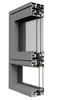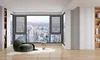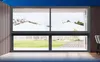
Composite windows
Composite Windows: The Ultimate Solution for Modern Homes
Composite windows are revolutionizing the modern home improvement industry, offering unparalleled durability, energy efficiency, and aesthetic appeal. These innovative window solutions combine the best features of traditional materials while eliminating their drawbacks.
Why Choose Composite Windows?
- Superior Durability: Resistant to warping, rotting, and corrosion
- Energy Efficient: Excellent thermal insulation properties
- Low Maintenance: Requires minimal upkeep compared to wood or vinyl
- Eco-Friendly: Made from sustainable materials
- Design Flexibility: Available in various styles and finishes
Technical Specifications
| Feature | Specification |
|---|---|
| Material Composition | 60% recycled wood fiber, 30% polymer resins, 10% additives |
| U-Value | 0.28 - 0.30 (superior insulation) |
| Air Infiltration Rate | ≤ 0.01 cfm/sq.ft |
| Impact Resistance | Class 4 impact rating (hurricane resistant) |
| Warranty | 20-year transferable limited warranty |
| Color Options | 12 standard colors, custom colors available |
Composite Windows Styles Available
- Double-Hung Composite Windows
- Casement Composite Windows
- Sliding Composite Windows
- Bay & Bow Composite Windows
- Picture Composite Windows
Composite Windows FAQ
How long do composite windows typically last?
Composite windows have an expected lifespan of 30-40 years, significantly longer than traditional wood or vinyl windows. Their advanced material composition resists common window deterioration factors like moisture damage, UV radiation, and temperature fluctuations. With proper maintenance, many composite windows exceed their projected lifespan.
Are composite windows more expensive than other window types?
While composite windows typically cost 15-25% more than premium vinyl windows and about the same as high-end wood windows, they offer superior value over time. The initial investment is offset by lower maintenance costs (no painting or staining needed), better energy efficiency (reducing heating/cooling bills), and exceptional durability that eliminates frequent replacements.
Can composite windows be painted if I want to change the color?
Yes, composite windows can be painted, though it's rarely necessary as the color permeates through the material rather than being a surface treatment. If you choose to paint, use 100% acrylic latex paint and follow the manufacturer's preparation guidelines. However, most homeowners appreciate that composite windows maintain their color for decades without fading or requiring repainting.
Installation Considerations
Professional installation is recommended for composite windows to ensure optimal performance. Our certified installers follow strict protocols:
- Precise measurement of all openings
- Proper flashing and waterproofing techniques
- Insulated gap filling
- Precision leveling and alignment
- Comprehensive quality checks
Energy Efficiency Benefits
| Feature | Benefit |
|---|---|
| Thermal Breaks | Prevents heat transfer between interior and exterior |
| Low-E Glass Options | Reduces UV penetration while maintaining visibility |
| Multiple Glazing Options | Double or triple pane configurations available |
| Gas Fills | Argon or Krypton between panes for better insulation |
Maintenance Guide for Composite Windows
- Clean frames biannually with mild soap and water
- Lubricate moving parts annually with silicone spray
- Inspect weatherstripping every 2-3 years
- Clear drainage channels as needed
- Check for proper operation seasonally
More Composite Windows FAQ
How do composite windows perform in extreme weather conditions?
Composite windows excel in all weather conditions. They won't warp in high humidity like wood, crack in extreme cold like vinyl, or corrode in coastal salt air like aluminum. Their thermal stability means they maintain structural integrity in temperature ranges from -40°F to 180°F. Many composite window models meet stringent hurricane codes, withstanding winds up to 150 mph.
Are composite windows environmentally friendly?
Composite windows represent one of the most eco-conscious window choices available. They're manufactured using recycled wood fibers and polymers, reducing landfill waste. Their exceptional energy efficiency lowers carbon footprints, and their long lifespan means fewer replacements. Most composite window manufacturers participate in sustainable forestry programs and use low-VOC production processes.
What's the difference between composite windows and fiberglass windows?
While both are premium window materials, composite windows typically contain wood fibers mixed with polymers, creating a warmer, more natural appearance similar to wood. Fiberglass windows use glass fibers in resin, resulting in a more industrial look. Composite windows often have better insulating properties and are more dimensionally stable than fiberglass. However, both outperform traditional materials in durability and energy efficiency.
Customization Options
Our composite windows can be customized to match any architectural style:
- 12 standard exterior color options
- 8 interior finish choices
- Custom sizing available
- Multiple grid patterns (colonial, prairie, custom)
- Hardware finishes (brass, bronze, nickel, black)